A nurse is a healthcare professional responsible for providing nursing care, monitoring patients’ health conditions, and performing various tasks to support the treatment and recovery process of patients. Scientifically, a nurse is defined as someone equipped with fundamental nursing knowledge and skills, meeting the standards of practice based on education and clinical training.
In Vietnam, nurses used to be commonly referred to as “y tá”, working mainly as assistants to doctors. Today, nursing is recognized as an independent profession within the healthcare system, and those working in this field are called nurses.
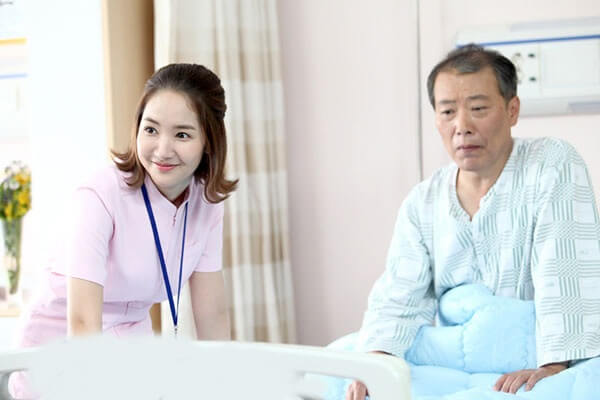
Nursing is a field of study that equips learners with medical knowledge, clinical practice skills, and a thorough understanding of principles and procedures in patient care. Nurses support doctors in various treatment-related activities such as IV administration, injections, psychological counseling, and caring for both inpatient and outpatient cases.
Nursing is a specialized discipline within the healthcare training system, responsible for protecting and optimizing health, preventing illness and injury. Nurses also play a vital role in easing discomfort through assessment and treatment, aiming to meet the increasing healthcare needs of individuals, families, communities, and society.
When studying Nursing at the university level, future Nursing graduates are provided with foundational and advanced knowledge in social sciences, health sciences, and nursing. Students develop analytical skills and learn to apply nursing principles, nursing diagnoses, basic and specialized nursing techniques. They are also trained in methods to maintain and improve living conditions to protect, care for, and enhance human health—key knowledge emphasized throughout the curriculum.
Regarding academic degrees in Nursing, there are: Doctor of Nursing, Master of Nursing, Bachelor of Nursing, College-level Nursing, Intermediate Nursing, and Primary Nursing.
– Excellent Career Opportunities After Graduation
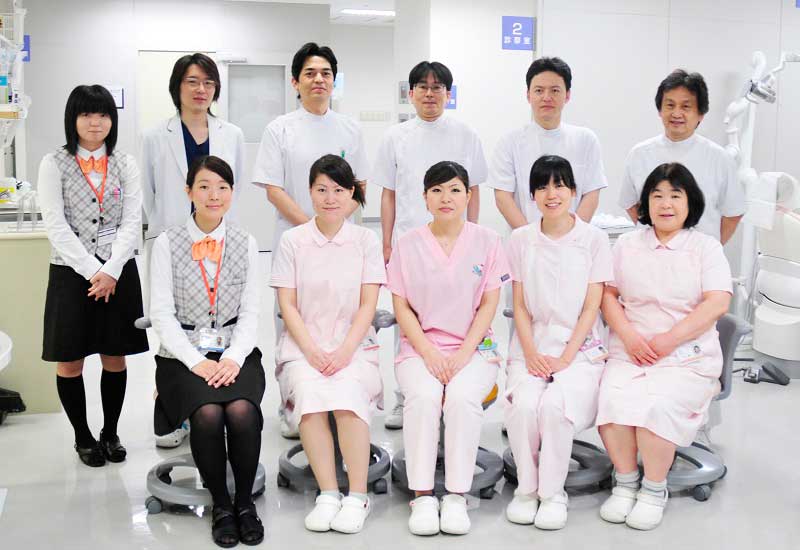
Korea is a highly developed country with an abundant number of doctors but a significant shortage of nurses. As people become more conscious of their health in modern society, the demand for nursing professionals continues to rise. In addition, Korea’s medical services are recognized worldwide, with both public and private hospitals meeting international standards. Therefore, countless job opportunities are available for newly graduated nursing students.
– Study in a Modern and Professional Environment
Korean medical dramas partly reflect the reality of Korea’s healthcare sector—advanced equipment, frequent upgrades, and a team of dedicated, highly skilled, and ethical medical professionals. This is the image many people associate with Korea’s medical industry.
Such excellence is built upon professional training programs closely connected to real clinical practice at Korean universities. The curricula are designed to stay aligned with current healthcare needs. Students receive not only theoretical knowledge but also hands-on clinical experience in university-affiliated hospitals. The teaching staff consists of experienced doctors with many years in the field. Therefore, you can be fully confident in the training quality when studying Nursing in Korea.
Passion for the profession and strong medical ethics:
This is a crucial factor for future nurses and plays an important role in helping you stay committed to the career long-term.
Carefulness and a high sense of responsibility:
These qualities are extremely important, as even a small mistake can lead to serious consequences for a patient.
Patience and the ability to handle pressure:
Patients often experience discomfort or emotional instability due to pain, leading to negative reactions. Moreover, nursing work includes night shifts, long hours, and sometimes no holidays. This demanding schedule requires nurses to be patient and resilient to overcome challenges.
Willingness to learn and absorb new knowledge:
Nurses must continuously update their medical knowledge and enhance their skills to monitor patients effectively and handle situations promptly.
Good communication with patients:
To ensure patients follow the treatment plan, nurses must communicate gently, provide clear guidance, and offer encouragement throughout their recovery.
Let me know if you’d like me to translate and write the answer for section 5 as well!
![Du Học Hàn Quốc Ngành Điều Dưỡng: [Cập Nhật Mới Nhất 2021]](https://tuvanduhocmap.com/wp-content/uploads/2021/07/Cung-tham-khao-thong-tin-chi-tiet-ve-nganh-dieu-duong-tai-Han-Quoc-nhe.jpg)
Nursing programs provide students with in-depth knowledge and essential clinical skills. This is a field that requires extensive hands-on experience to effectively collaborate with doctors in patient care. After graduation, students are capable of performing the following tasks:
Working in hospitals and healthcare facilities at both local and national levels
Competently performing a full range of nursing care techniques
Following physicians' orders accurately, proposing appropriate and timely solutions, and coordinating care to improve patients’ health
Applying traditional medicine techniques in patient care, disease prevention, and treatment
Providing health counseling and education for patients and the community
Developing, planning, and organizing nursing procedures
Participating in early detection of local epidemics and recommending coordinated preventive measures
Conclusion:
Nursing is one of the most prominent and in-demand fields in Korea, attracting a large number of young professionals. In Korea and many other developed countries, the population is aging rapidly, creating a strong demand for nursing personnel. This means job opportunities in this field are not only abundant in Vietnam but also across many countries worldwide.
If you are interested in studying abroad in Korea and exploring suitable universities, feel free to contact us directly via HOTLINE: 094.994.3688 – 090.389.3688 for free consultation!
















.png)